
Cheese And Vegetable Frittata
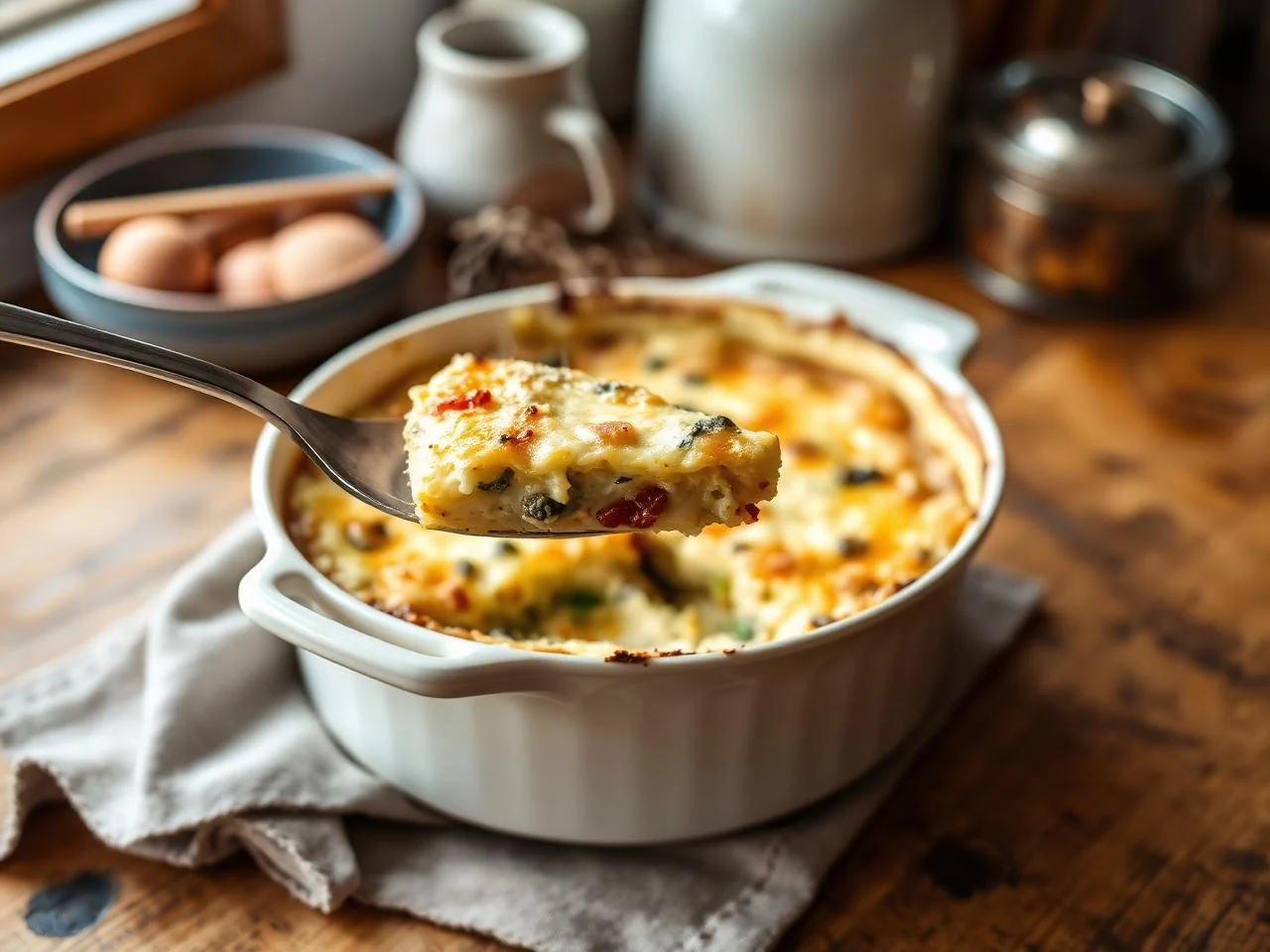
There's something special about a warm, cheesy frittata straight from the oven, don't you think? For me, it's a staple of cozy Sundays, family gatherings, and even weekday dinners. I love how versatile it is - you can use whatever vegetables are in season, and it's a great way to use up leftovers.
I remember my first attempt at making a frittata. I was a bit intimidated by the idea of cooking eggs in the oven, but it turned out to be much simpler than I thought. The key is to not overmix the eggs, and to make sure your vegetables are cooked through before adding them to the dish.
Today, I'm excited to share my favorite Cheese And Vegetable Frittata recipe with you. It's a classic, with a rich, creamy texture and a beautiful, golden-brown crust. And the best part? It's incredibly easy to make, even for a beginner.
So, what makes this recipe special? For one, it's a great way to get your daily dose of vegetables. I like to use a mix of sautéed spinach, bell peppers, and onions, but you can use whatever you have on hand. The cheese adds a rich, creamy flavor, and the eggs provide a nice protein boost.
Whether you're making it for a crowd or just for yourself, this frittata is sure to become a favorite. It's perfect for brunch, dinner, or even as a snack. And the best part? It's incredibly easy to customize - just add your favorite vegetables, cheese, and herbs, and you're good to go.
Why You’ll Love This Recipe
- This recipe is incredibly easy to make, even for a beginner.
- It's a great way to use up leftover vegetables and cheese.
- The frittata is perfect for brunch, dinner, or as a snack.
- You can customize it to your taste by adding your favorite vegetables, cheese, and herbs.
- It's a healthy, protein-rich dish that's perfect for any meal.
- The recipe makes a large frittata that's perfect for feeding a crowd.
Why This Recipe Works
The key to a great frittata is to cook the eggs slowly and gently, so they're just set and still moist. This is why we use a moderate oven temperature and a water bath - it helps to cook the eggs evenly and prevents them from drying out.
Another important factor is the quality of the ingredients. Fresh, flavorful vegetables and good-quality cheese make all the difference in the world. And don't forget to use farm-fresh eggs - they have a richer, more complex flavor than supermarket eggs.
The technique of layering the ingredients is also crucial. By adding the vegetables and cheese in a specific order, we can create a beautiful, layered effect that's both visually appealing and delicious.
Ingredients You’ll Need
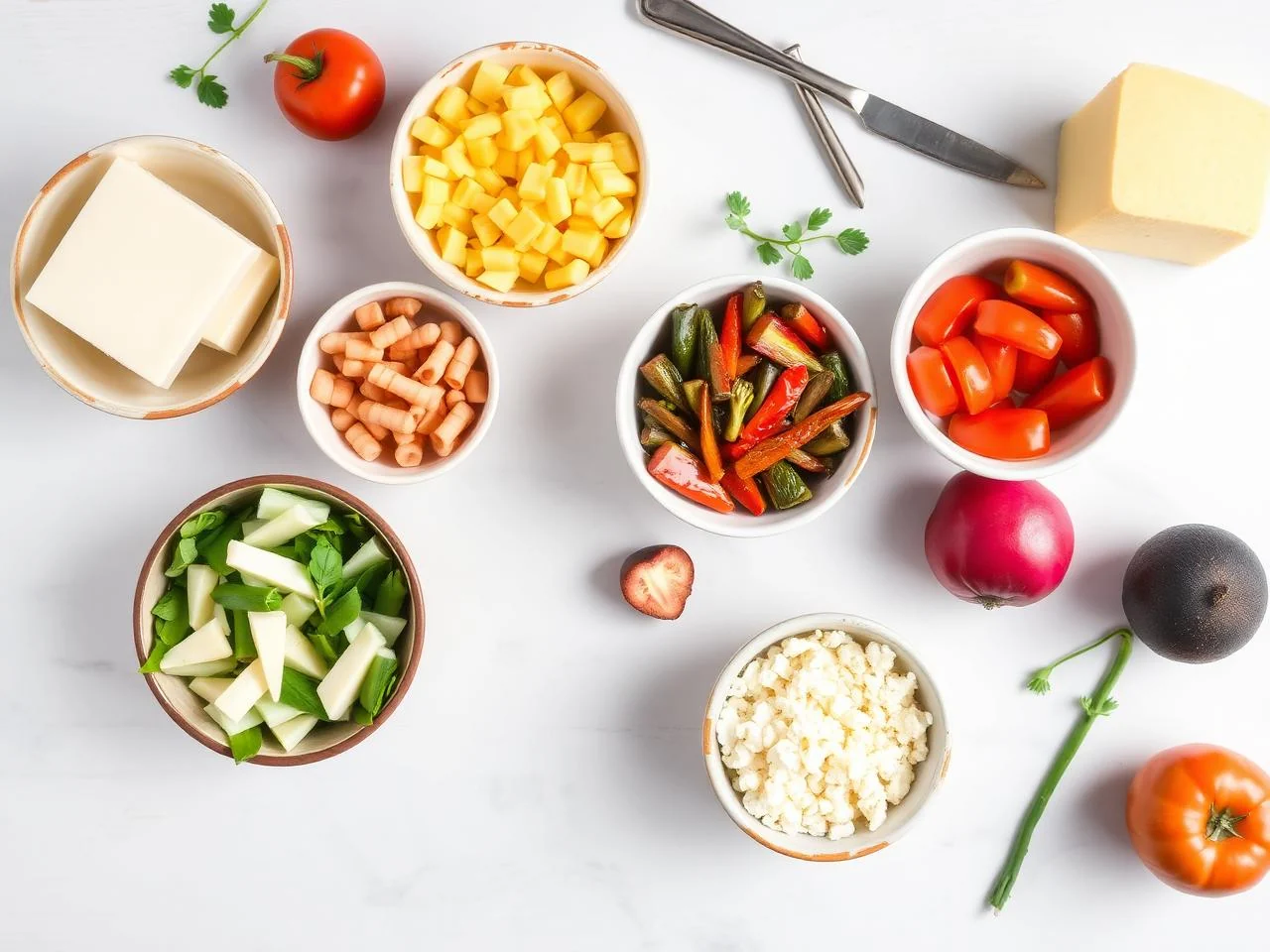
When it comes to making a great frittata, the ingredients are just as important as the technique. You'll need a mix of fresh vegetables, good-quality cheese, and farm-fresh eggs. Don't worry if you don't have all of the ingredients on hand - you can easily substitute them with what you have in your pantry and fridge.
One of the most important things to keep in mind when shopping for ingredients is to choose the freshest, highest-quality items you can find. This will make a big difference in the flavor and texture of your frittata.
- 6 large eggsFarm-fresh eggs have a richer, more complex flavor than supermarket eggs. If you can't find farm-fresh eggs, look for eggs that are labeled as 'cage-free' or 'free-range' - these will have a better flavor and texture than conventional eggs.
- 1 cup grated cheddar cheeseA good-quality cheddar cheese is essential for a rich, creamy frittata. Look for a cheese that's labeled as 'sharp' or 'extra-sharp' - this will have a more complex flavor than a mild cheese.
- 1/2 cup grated Parmesan cheeseParmesan cheese adds a salty, nutty flavor to the frittata. You can also use other hard cheeses like Pecorino or Romano if you prefer.
- 1 large onion, dicedA sweet, flavorful onion is essential for a great frittata. Look for an onion that's heavy for its size and has a tight, papery skin.
- 2 large bell peppers, dicedBell peppers add a crunchy texture and a sweet, slightly smoky flavor to the frittata. You can use any color bell pepper you like, but red or yellow peppers will add a pop of color to the dish.
- 2 cloves garlic, mincedGarlic adds a deep, rich flavor to the frittata. You can use more or less garlic depending on your taste - just be sure to mince it finely so it distributes evenly throughout the dish.
- 2 cups fresh spinach leavesFresh spinach leaves add a burst of nutrients and flavor to the frittata. Look for leaves that are bright green and have no signs of wilting or browning.
- 1 teaspoon dried thymeThyme adds a savory, slightly earthy flavor to the frittata. You can use fresh or dried thyme - just be sure to chop the fresh thyme finely so it distributes evenly throughout the dish.
- 1/2 teaspoon saltSalt enhances the flavor of the other ingredients and helps to bring out the natural sweetness of the vegetables. Use a flaky, artisanal salt like Maldon or Fleur de Sel for the best flavor.
- 1/4 teaspoon black pepperBlack pepper adds a sharp, spicy flavor to the frittata. You can use more or less pepper depending on your taste - just be sure to grind it freshly so it's at its most flavorful.
- 2 tablespoons olive oilOlive oil adds a rich, fruity flavor to the frittata. Look for a high-quality oil that's labeled as 'extra-virgin' - this will have a more complex flavor than a lower-quality oil.
Equipment You’ll Need
How to Make Cheese And Vegetable Frittata
- 1Preheat your oven to 375 F (190 C).
- 2In a large bowl, whisk together the eggs, salt, and pepper until they're well-beaten. Add the grated cheddar and Parmesan cheese, and stir until they're fully incorporated.
- 3Heat the olive oil in a large, oven-safe skillet over medium heat. Add the diced onion and cook until it's translucent and starting to caramelize, about 5-7 minutes.
- 4Add the diced bell peppers to the skillet and cook until they're tender, about 5 minutes. Add the minced garlic and cook for an additional minute.
- 5Add the fresh spinach leaves to the skillet and cook until they're wilted, about 1-2 minutes. Season with thyme and stir to combine.
- 6Pour the egg mixture over the vegetables in the skillet. Cook over medium heat, stirring occasionally, until the eggs start to set, about 5-7 minutes.
- 7Transfer the skillet to the preheated oven and bake until the eggs are just set and the frittata is golden brown on top, about 20-25 minutes.
- 8Remove the skillet from the oven and let it cool for a few minutes. Use a spatula to carefully loosen the edges of the frittata from the skillet.
- 9Slide the frittata out of the skillet onto a plate and slice it into wedges. Serve hot, garnished with additional thyme if desired.
- 10Let the frittata rest for 10-15 minutes before serving. This will allow the eggs to set fully and the flavors to meld together.
- 11Check the internal temperature of the frittata to ensure it reaches 160 F (71 C) for food safety.
- 12Once the frittata has rested, slice it into wedges and serve. You can serve it on its own or with a side of toast, salad, or fruit.
Expert Tips
- Use a high-quality cheese for the best flavor.
- Don't overmix the eggs - this will make the frittata tough and dense.
- Let the frittata rest for 10-15 minutes before serving - this will allow the eggs to set fully and the flavors to meld together.
- Use a water bath to cook the frittata - this will help to cook the eggs evenly and prevent them from drying out.
- Add the vegetables in a specific order to create a beautiful, layered effect.
- Don't be afraid to experiment with different vegetables and cheese - this will add variety to the dish and make it more interesting.
- Use a thermometer to check the internal temperature of the frittata - this will ensure that it's cooked to a safe temperature.
- Let the frittata cool completely before refrigerating or freezing it - this will help to prevent the growth of bacteria and keep the frittata fresh.
Common Mistakes to Avoid
- Overmixing the eggs - this will make the frittata tough and dense.
- Not cooking the vegetables until they're tender - this will make the frittata taste raw and unpleasant.
- Not letting the frittata rest before serving - this will make the eggs runny and the flavors unbalanced.
- Using low-quality cheese - this will make the frittata taste bland and uninteresting.
- Not checking the internal temperature of the frittata - this will make it possible to serve undercooked or overcooked frittata.
- Not using a water bath to cook the frittata - this will make the eggs cook unevenly and the frittata dry out.
Variations and Substitutions
- Add diced ham or bacon to the frittata for a savory, meaty flavor.
- Use different types of cheese, such as feta or goat cheese, for a unique flavor.
- Add fresh herbs, such as parsley or basil, for a bright, fresh flavor.
- Use roasted vegetables, such as zucchini or eggplant, for a deeper, richer flavor.
- Add a sprinkle of paprika or chili flakes for a spicy kick.
- Use gluten-free flour to make the frittata crustless and gluten-free.
- Add some diced tomatoes for a burst of juicy flavor.
What to Serve With Cheese And Vegetable Frittata
The Cheese And Vegetable Frittata is perfect for serving at brunch or dinner. You can serve it on its own or with a side of toast, salad, or fruit. It's also a great dish to take to a potluck or picnic, as it's easy to transport and serves a crowd.
Some other ideas for serving the frittata include: serving it with a side of roasted vegetables, such as asparagus or Brussels sprouts; serving it with a green salad and a light vinaigrette; or serving it with a bowl of soup, such as tomato or creamy broth.
Make-Ahead, Storage, Freezing and Reheating
The Cheese And Vegetable Frittata can be stored in the refrigerator for up to 3 days or frozen for up to 2 months. To store it in the refrigerator, let it cool completely and then wrap it tightly in plastic wrap or aluminum foil. To freeze it, let it cool completely and then wrap it tightly in plastic wrap or aluminum foil and place it in a freezer-safe bag.
To reheat the frittata, simply microwave it for 20-30 seconds or until it's warmed through. You can also reheat it in the oven at 350 F (180 C) for 10-15 minutes, or until it's warmed through.
It's also a good idea to label the frittata with the date it was made and what it is, so you can easily keep track of how long it's been stored. And, as with any dish, make sure to check the frittata for any signs of spoilage before serving it, such as an off smell or slimy texture.
By following these storage and reheating tips, you can enjoy the Cheese And Vegetable Frittata for days to come and make it a staple in your household.
Frequently Asked Questions
Can I make the frittata ahead of time?
Yes, you can make the frittata ahead of time and store it in the refrigerator for up to 3 days or freeze it for up to 2 months. Simply reheat it in the microwave or oven when you're ready to serve it.
Can I use different types of cheese?
Yes, you can use different types of cheese in the frittata. Some good options include feta, goat cheese, and Parmesan. Just be sure to choose a cheese that melts well and has a flavor you enjoy.
Can I add meat to the frittata?
Yes, you can add meat to the frittata. Some good options include diced ham, bacon, and sausage. Just be sure to cook the meat until it's fully cooked before adding it to the frittata.
Can I make the frittata gluten-free?
Yes, you can make the frittata gluten-free by using gluten-free flour and being careful not to cross-contaminate it with gluten. You can also omit the crust and make a crustless frittata.
How do I know if the frittata is cooked?
You can check if the frittata is cooked by inserting a knife or toothpick into the center. If it comes out clean, the frittata is cooked. You can also check the internal temperature of the frittata - it should be at least 160 F (71 C).
Can I serve the frittata at room temperature?
Yes, you can serve the frittata at room temperature. In fact, it's often served this way at brunches and buffets. Just be sure to let it cool completely before serving it.
Can I freeze the frittata?
Yes, you can freeze the frittata. Simply let it cool completely, wrap it tightly in plastic wrap or aluminum foil, and place it in a freezer-safe bag. It will keep for up to 2 months.
How do I reheat the frittata?
You can reheat the frittata in the microwave or oven. Simply microwave it for 20-30 seconds or until it's warmed through, or reheat it in the oven at 350 F (180 C) for 10-15 minutes, or until it's warmed through.

Ingredients
- 6 large eggs
- 1 cup grated cheddar cheese
- 1/2 cup grated Parmesan cheese
- 1 large onion, diced
- 2 large bell peppers, diced
- 2 cloves garlic, minced
- 2 cups fresh spinach leaves
- 1 teaspoon dried thyme
- 1/2 teaspoon salt
- 1/4 teaspoon black pepper
- 2 tablespoons olive oil
Instructions
- Preheat your oven to 375 F (190 C).
- In a large bowl, whisk together the eggs, salt, and pepper until they're well-beaten. Add the grated cheddar and Parmesan cheese, and stir until they're fully incorporated.
- Heat the olive oil in a large, oven-safe skillet over medium heat. Add the diced onion and cook until it's translucent and starting to caramelize, about 5-7 minutes.
- Add the diced bell peppers to the skillet and cook until they're tender, about 5 minutes. Add the minced garlic and cook for an additional minute.
- Add the fresh spinach leaves to the skillet and cook until they're wilted, about 1-2 minutes. Season with thyme and stir to combine.
- Pour the egg mixture over the vegetables in the skillet. Cook over medium heat, stirring occasionally, until the eggs start to set, about 5-7 minutes.
- Transfer the skillet to the preheated oven and bake until the eggs are just set and the frittata is golden brown on top, about 20-25 minutes.
- Remove the skillet from the oven and let it cool for a few minutes. Use a spatula to carefully loosen the edges of the frittata from the skillet.
- Slide the frittata out of the skillet onto a plate and slice it into wedges. Serve hot, garnished with additional thyme if desired.
- Let the frittata rest for 10-15 minutes before serving. This will allow the eggs to set fully and the flavors to meld together.
- Check the internal temperature of the frittata to ensure it reaches 160 F (71 C) for food safety.
- Once the frittata has rested, slice it into wedges and serve. You can serve it on its own or with a side of toast, salad, or fruit.