
Eggplant Parmesan Casserole
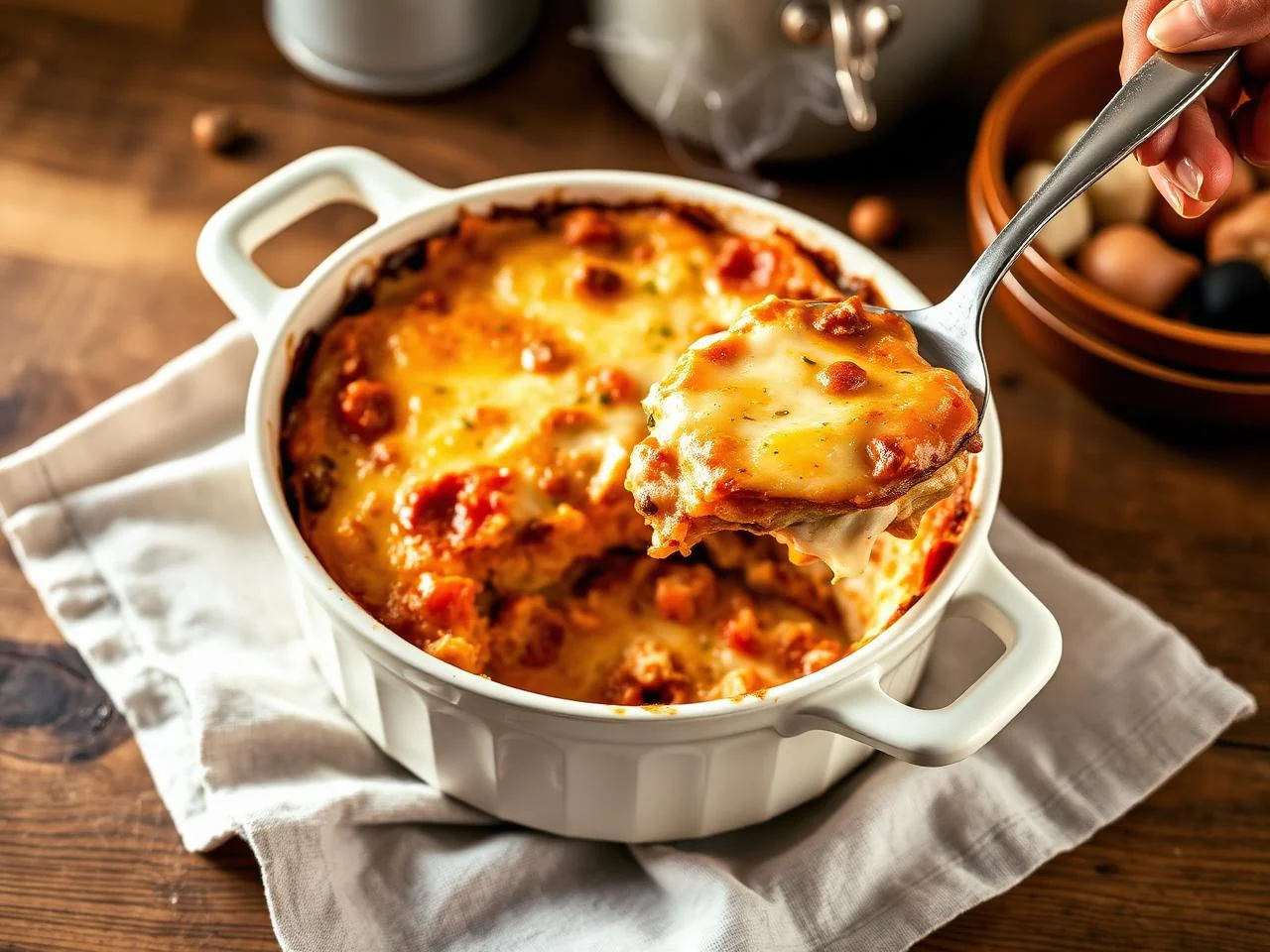
Eggplant parmesan casserole is one of those dishes that never fails to bring people together. I remember my grandmother making it for family gatherings, and the aroma that filled the house was just incredible. The combination of tender eggplant, rich tomato sauce, and a blend of creamy cheeses is a match made in heaven. As a home cook, I've perfected my own recipe for eggplant parmesan casserole, and I'm excited to share it with you.
This recipe is perfect for a cozy night in with family and friends. It's easy to make, feeds a crowd, and can be prepared ahead of time. The best part is that it's a one-dish wonder, so you don't have to worry about multiple pans and utensils. Just throw all the ingredients together, pop it in the oven, and let the magic happen.
One of the things I love about this recipe is that it's incredibly versatile. You can use different types of cheese, add some spice with red pepper flakes, or even throw in some cooked sausage for added protein. The possibilities are endless, and I encourage you to experiment and make it your own.
As we dive into the recipe, I want to share a few tips and tricks that I've learned along the way. First, make sure to choose the right eggplant. You want it to be firm and heavy, with a glossy skin. This will ensure that it holds up well to the cooking process and doesn't become too soggy. Second, don't be afraid to get creative with the cheese. I like to use a blend of mozzarella, parmesan, and ricotta, but you can use whatever combination you like.
Finally, the key to a great eggplant parmesan casserole is to cook it slowly and patiently. You want the eggplant to be tender, the sauce to be rich and flavorful, and the cheese to be melted and bubbly. So take your time, and don't rush the process. Trust me, it's worth the wait.
Why You’ll Love This Recipe
- This recipe is easy to make and requires minimal effort, making it perfect for a weeknight dinner
- The dish is incredibly versatile and can be customized to suit your tastes and dietary preferences
- Eggplant parmesan casserole is a crowd-pleaser and is sure to become a family favorite
- The recipe can be made ahead of time and refrigerated or frozen for later use
- The dish is perfect for a cozy night in with family and friends, and is sure to become a staple in your household
- The combination of tender eggplant, rich tomato sauce, and creamy cheese is a match made in heaven
- This recipe is a great way to get your daily dose of vegetables and can be served as a main course or side dish
Why This Recipe Works
The secret to a great eggplant parmesan casserole is in the layering. You want to create a balance of flavors and textures, with the tender eggplant, rich tomato sauce, and creamy cheese all working together in harmony. By layering the ingredients in a specific order, you can achieve this balance and create a dish that's truly greater than the sum of its parts.
Another important factor is the cooking time and temperature. You want to cook the casserole slowly and patiently, so that the eggplant is tender and the sauce is rich and flavorful. This is where the magic happens, and the flavors all come together.
Finally, the type of cheese you use is crucial. I like to use a blend of mozzarella, parmesan, and ricotta, as it provides a nice balance of flavors and textures. The mozzarella adds a creamy element, while the parmesan adds a salty, nutty flavor. The ricotta, meanwhile, adds a light and airy texture that helps to balance out the dish.
Ingredients You’ll Need
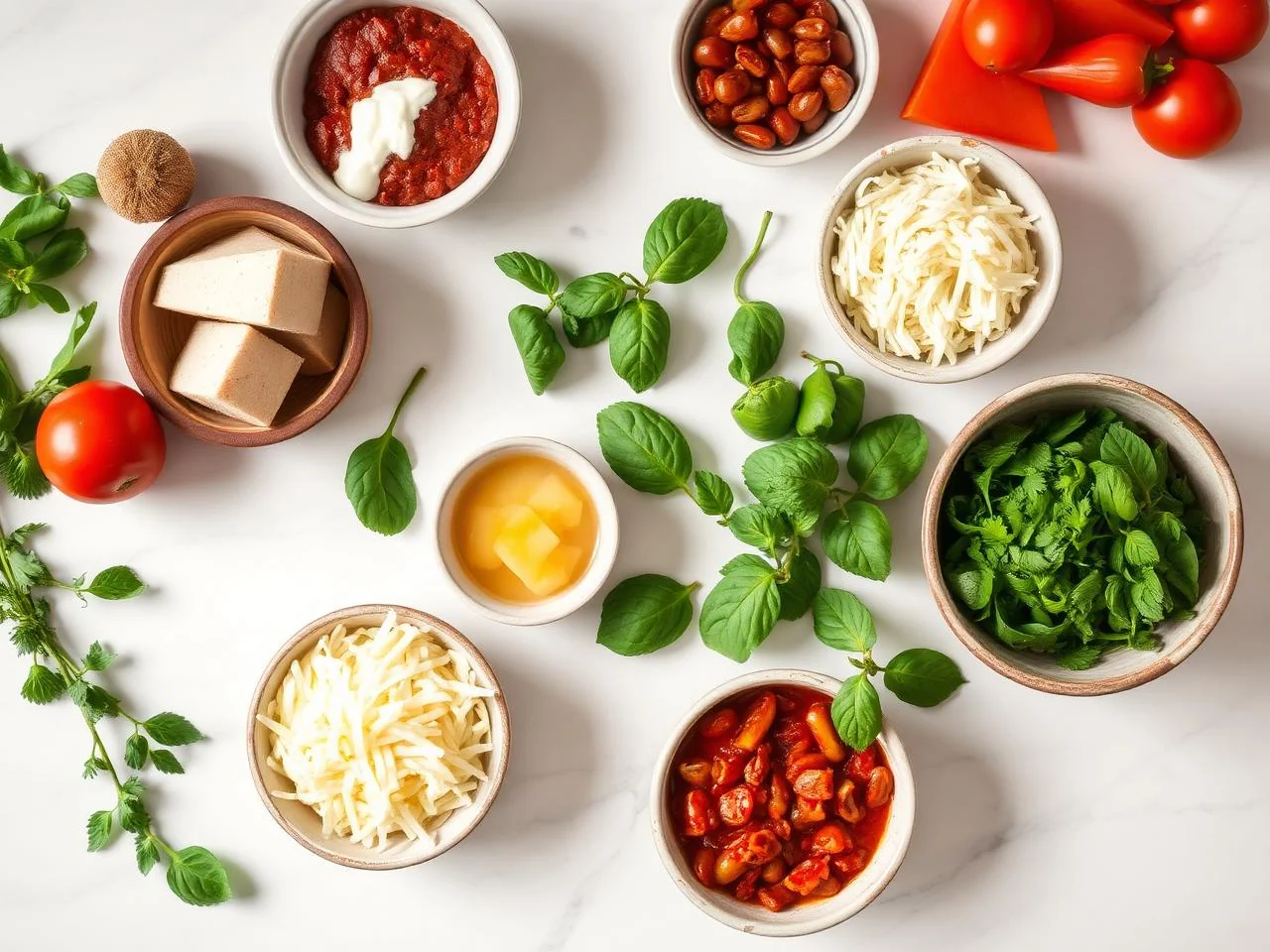
When it comes to making eggplant parmesan casserole, the ingredients are just as important as the technique. You'll need a few key ingredients, including eggplant, tomato sauce, cheese, and breadcrumbs. Look for high-quality ingredients, such as fresh eggplant and homemade tomato sauce, to ensure that your dish turns out flavorful and delicious.
In terms of shopping, try to find eggplant that is firm and heavy, with a glossy skin. You'll also want to choose a good-quality tomato sauce that is low in sugar and made with fresh ingredients. For the cheese, you can use a blend of mozzarella, parmesan, and ricotta, or experiment with different combinations to find your favorite.
- 2 large eggplants, sliced into 1/4-inch thick roundsLook for eggplant that is firm and heavy, with a glossy skin. This will ensure that it holds up well to the cooking process and doesn't become too soggy.
- 1 cup tomato sauce, homemade or store-boughtChoose a good-quality tomato sauce that is low in sugar and made with fresh ingredients. You can also make your own tomato sauce from scratch using canned tomatoes, garlic, and herbs.
- 1 cup grated mozzarella cheeseMozzarella cheese is a key ingredient in eggplant parmesan casserole, providing a creamy and melty texture. Look for high-quality mozzarella that is made from whole milk and has a smooth, creamy texture.
- 1/2 cup grated parmesan cheeseParmesan cheese adds a salty, nutty flavor to the dish and helps to balance out the sweetness of the tomato sauce. Look for high-quality parmesan that is made from whole milk and has a granular texture.
- 1/2 cup ricotta cheeseRicotta cheese adds a light and airy texture to the dish, helping to balance out the richness of the cheese and tomato sauce. Look for high-quality ricotta that is made from whole milk and has a smooth, creamy texture.
- 1 cup breadcrumbs, plain or seasonedBreadcrumbs add a crunchy texture to the dish and help to absorb excess moisture. Look for high-quality breadcrumbs that are made from whole wheat bread and have a light, airy texture.
- 2 tablespoons olive oilOlive oil is used to grease the baking dish and add flavor to the eggplant. Look for high-quality olive oil that is made from fresh olives and has a rich, fruity flavor.
- Salt and pepper to tasteSalt and pepper are used to season the eggplant and tomato sauce, adding depth and complexity to the dish. Use high-quality salt and pepper that are freshly ground for the best flavor.
- 1 teaspoon dried basilDried basil adds a bright, herbaceous flavor to the dish and helps to balance out the richness of the cheese and tomato sauce. Look for high-quality dried basil that is made from fresh herbs and has a vibrant, green color.
- 1 teaspoon dried oreganoDried oregano adds a pungent, earthy flavor to the dish and helps to balance out the sweetness of the tomato sauce. Look for high-quality dried oregano that is made from fresh herbs and has a rich, earthy flavor.
Equipment You’ll Need
How to Make Eggplant Parmesan Casserole
- 1Preheat the oven to 375°F (190°C). Grease a large baking dish with 1 tablespoon of olive oil and set aside.
- 2Slice the eggplant into 1/4-inch thick rounds and place them in a colander. Sprinkle both sides of the eggplant slices with salt and let them sit for 30 minutes to draw out excess moisture.
- 3Rinse the eggplant slices under cold running water and pat them dry with paper towels. This will help remove excess salt and moisture.
- 4In a large bowl, combine the tomato sauce, dried basil, and dried oregano. Stir to combine and set aside.
- 5In a separate bowl, combine the ricotta cheese, mozzarella cheese, and parmesan cheese. Stir to combine and set aside.
- 6Begin assembling the casserole by spreading a layer of tomato sauce in the bottom of the baking dish. Arrange a layer of eggplant slices on top of the sauce, overlapping them slightly to cover the entire surface.
- 7Spread half of the cheese mixture over the eggplant slices, followed by half of the breadcrumbs. Repeat the layers, starting with the tomato sauce, then the eggplant slices, then the remaining cheese mixture, and finally the remaining breadcrumbs.
- 8Cover the baking dish with aluminum foil and bake for 30 minutes. Remove the foil and continue baking for an additional 20-25 minutes, or until the top is golden brown and the casserole is hot and bubbly.
- 9Remove the casserole from the oven and let it rest for 10-15 minutes before slicing and serving. This will help the flavors to meld together and the cheese to set.
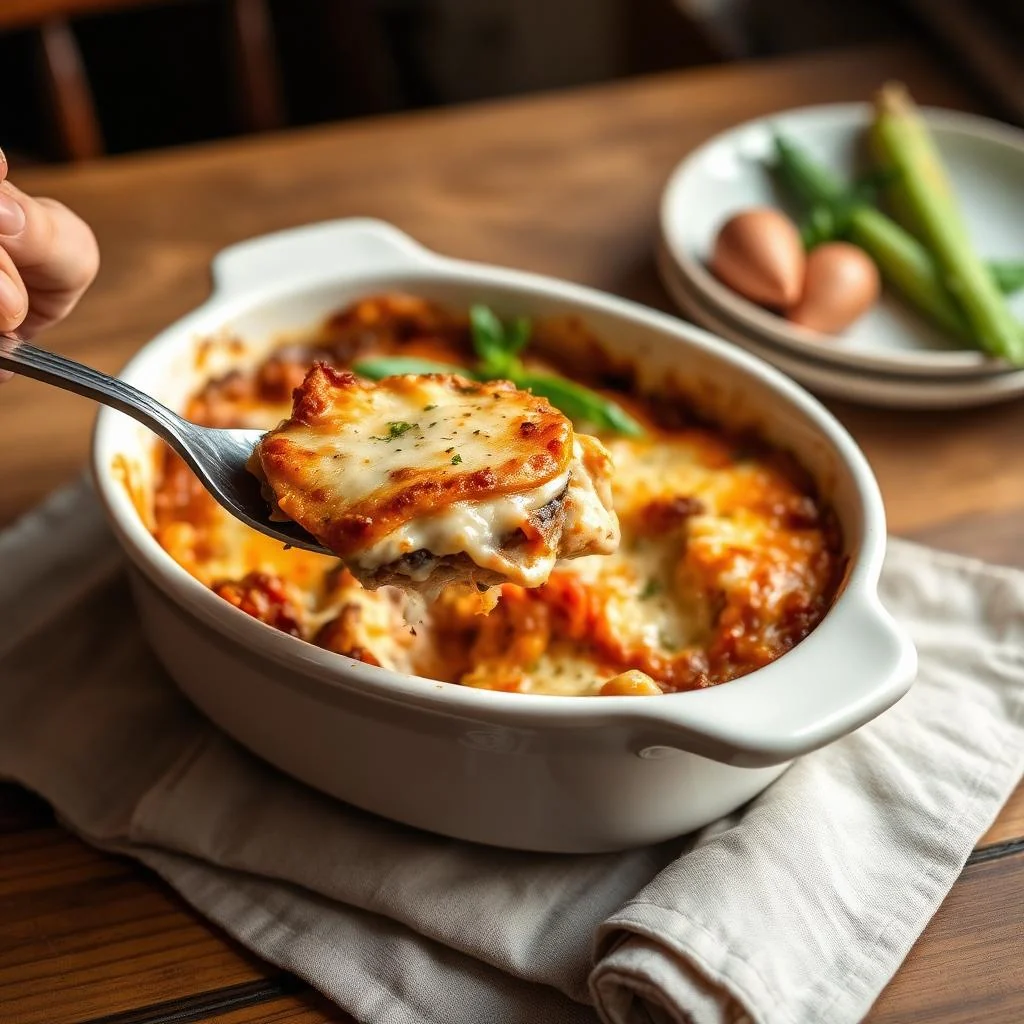
- 10Serve the eggplant parmesan casserole hot, garnished with fresh basil leaves and a sprinkle of parmesan cheese. Enjoy!
- 11To check for doneness, insert an instant-read thermometer into the center of the casserole. The internal temperature should reach 165°F (74°C) for food safety.
Expert Tips
- To prevent the eggplant from becoming too soggy, make sure to salt and drain it before assembling the casserole.
- Use high-quality ingredients, such as fresh eggplant and homemade tomato sauce, to ensure that your dish turns out flavorful and delicious.
- Don't overmix the cheese mixture, as this can cause it to become tough and rubbery.
- Use a variety of cheeses, such as mozzarella, parmesan, and ricotta, to add depth and complexity to the dish.
- Add some spice to the dish by sprinkling red pepper flakes over the top of the casserole before baking.
- Experiment with different types of breadcrumbs, such as panko or gluten-free, to add texture and interest to the dish.
- Let the casserole rest for 10-15 minutes before slicing and serving, as this will help the flavors to meld together and the cheese to set.
Common Mistakes to Avoid
- Not salting and draining the eggplant before assembling the casserole, which can cause it to become too soggy.
- Overmixing the cheese mixture, which can cause it to become tough and rubbery.
- Not using high-quality ingredients, such as fresh eggplant and homemade tomato sauce, which can affect the flavor and texture of the dish.
- Not letting the casserole rest before slicing and serving, which can cause the cheese to be runny and the flavors to be unbalanced.
- Not checking the internal temperature of the casserole, which can affect food safety.
- Not covering the baking dish with aluminum foil during the first 30 minutes of baking, which can cause the top to burn.
Variations and Substitutions
- Add some spice to the dish by sprinkling red pepper flakes over the top of the casserole before baking.
- Use different types of cheese, such as goat cheese or feta, to add unique flavors to the dish.
- Add some chopped vegetables, such as bell peppers or zucchini, to the casserole for added flavor and nutrition.
- Use gluten-free breadcrumbs to make the dish more accessible to those with dietary restrictions.
- Add some cooked sausage or meatballs to the casserole for added protein and flavor.
- Use fresh basil leaves instead of dried basil to add a brighter, more herbaceous flavor to the dish.
- Make individual servings of the casserole in ramekins or mini cast-iron skillets for a fun and easy presentation.
What to Serve With Eggplant Parmesan Casserole
Eggplant parmesan casserole is a versatile dish that can be served in a variety of ways. Try serving it as a main course, accompanied by a side salad or garlic bread. You can also serve it as a side dish, paired with a grilled steak or roasted chicken. For a fun and easy presentation, make individual servings of the casserole in ramekins or mini cast-iron skillets.
In addition to the casserole itself, you can also serve a variety of sides and beverages to complement the dish. Some ideas include a green salad with Italian dressing, a side of garlic bread or breadsticks, or a glass of red wine or iced tea. Whatever you choose, I hope you enjoy this delicious and satisfying dish!
Make-Ahead, Storage, Freezing and Reheating
Eggplant parmesan casserole can be made ahead of time and refrigerated or frozen for later use. To refrigerate, simply assemble the casserole and store it in the refrigerator for up to 24 hours before baking. To freeze, assemble the casserole and wrap it tightly in plastic wrap or aluminum foil. Frozen casseroles can be stored for up to 3 months and thawed overnight in the refrigerator before baking.
When reheating the casserole, make sure to cover it with aluminum foil to prevent the top from burning. You can reheat it in the oven at 350°F (180°C) for 20-25 minutes, or until the casserole is hot and bubbly. You can also reheat it in the microwave, but be careful not to overheat, as this can cause the cheese to become tough and rubbery.
In addition to refrigerating and freezing, you can also make individual servings of the casserole and store them in airtight containers in the refrigerator or freezer. This is a great way to enjoy the dish for lunch or dinner throughout the week. Simply reheat the casserole in the oven or microwave and serve.
Frequently Asked Questions
Can I make eggplant parmesan casserole ahead of time?
Yes, you can make eggplant parmesan casserole ahead of time and refrigerate or freeze it for later use. Simply assemble the casserole and store it in the refrigerator for up to 24 hours before baking, or wrap it tightly in plastic wrap or aluminum foil and freeze for up to 3 months.
How do I prevent the eggplant from becoming too soggy?
To prevent the eggplant from becoming too soggy, make sure to salt and drain it before assembling the casserole. You can also try using a variety of eggplant, such as Japanese or Italian, which tend to be less bitter and have a firmer texture.
Can I use different types of cheese in the casserole?
Yes, you can use different types of cheese in the casserole, such as goat cheese or feta, to add unique flavors to the dish. Just be sure to choose a combination of cheeses that melts well and has a good balance of flavors.
How do I reheat the casserole without drying it out?
To reheat the casserole without drying it out, make sure to cover it with aluminum foil to prevent the top from burning. You can reheat it in the oven at 350°F (180°C) for 20-25 minutes, or until the casserole is hot and bubbly. You can also reheat it in the microwave, but be careful not to overheat, as this can cause the cheese to become tough and rubbery.
Can I make individual servings of the casserole?
Yes, you can make individual servings of the casserole in ramekins or mini cast-iron skillets. This is a great way to enjoy the dish for lunch or dinner throughout the week. Simply reheat the casserole in the oven or microwave and serve.
How do I store the casserole after it's been baked?
After the casserole has been baked, you can store it in the refrigerator for up to 3 days or freeze it for up to 3 months. Simply wrap it tightly in plastic wrap or aluminum foil and store it in the refrigerator or freezer.
Can I use gluten-free breadcrumbs in the casserole?
Yes, you can use gluten-free breadcrumbs in the casserole to make it more accessible to those with dietary restrictions. Just be sure to choose a brand that is made from high-quality ingredients and has a good texture.
How do I know when the casserole is done?
The casserole is done when it's hot and bubbly, and the top is golden brown. You can also check the internal temperature of the casserole by inserting an instant-read thermometer into the center. The internal temperature should reach 165°F (74°C) for food safety.
Ingredients
- 2 large eggplants, sliced into 1/4-inch thick rounds
- 1 cup tomato sauce, homemade or store-bought
- 1 cup grated mozzarella cheese
- 1/2 cup grated parmesan cheese
- 1/2 cup ricotta cheese
- 1 cup breadcrumbs, plain or seasoned
- 2 tablespoons olive oil
- Salt and pepper to taste
- 1 teaspoon dried basil
- 1 teaspoon dried oregano
Instructions
- Preheat the oven to 375°F (190°C). Grease a large baking dish with 1 tablespoon of olive oil and set aside.
- Slice the eggplant into 1/4-inch thick rounds and place them in a colander. Sprinkle both sides of the eggplant slices with salt and let them sit for 30 minutes to draw out excess moisture.
- Rinse the eggplant slices under cold running water and pat them dry with paper towels. This will help remove excess salt and moisture.
- In a large bowl, combine the tomato sauce, dried basil, and dried oregano. Stir to combine and set aside.
- In a separate bowl, combine the ricotta cheese, mozzarella cheese, and parmesan cheese. Stir to combine and set aside.
- Begin assembling the casserole by spreading a layer of tomato sauce in the bottom of the baking dish. Arrange a layer of eggplant slices on top of the sauce, overlapping them slightly to cover the entire surface.
- Spread half of the cheese mixture over the eggplant slices, followed by half of the breadcrumbs. Repeat the layers, starting with the tomato sauce, then the eggplant slices, then the remaining cheese mixture, and finally the remaining breadcrumbs.
- Cover the baking dish with aluminum foil and bake for 30 minutes. Remove the foil and continue baking for an additional 20-25 minutes, or until the top is golden brown and the casserole is hot and bubbly.
- Remove the casserole from the oven and let it rest for 10-15 minutes before slicing and serving. This will help the flavors to meld together and the cheese to set.
- Serve the eggplant parmesan casserole hot, garnished with fresh basil leaves and a sprinkle of parmesan cheese. Enjoy!
- To check for doneness, insert an instant-read thermometer into the center of the casserole. The internal temperature should reach 165°F (74°C) for food safety.